
Homebuilding has hundreds, if not thousands, of uncontrollable variables: weather shifts, permits taking longer than expected, a supply chain hiccup.
Five Home Features That Are Here to Stay (And Why Bardwell Builds Them)
May 18, 2026
Some home features earn their place on a floor plan because they photograph well or because a magazine swears it’s the next best thing. More often than not, those fads fade faster than they started. But other features, like those we build and recommend across Bardwell communities, earn their place because time and time again our clients tell us they can’t believe they lived without them and refuse to ever go back.
They show up in our homes because they change how a home actually feels to live in, not just how it looks on an open house weekend or a listing photo.
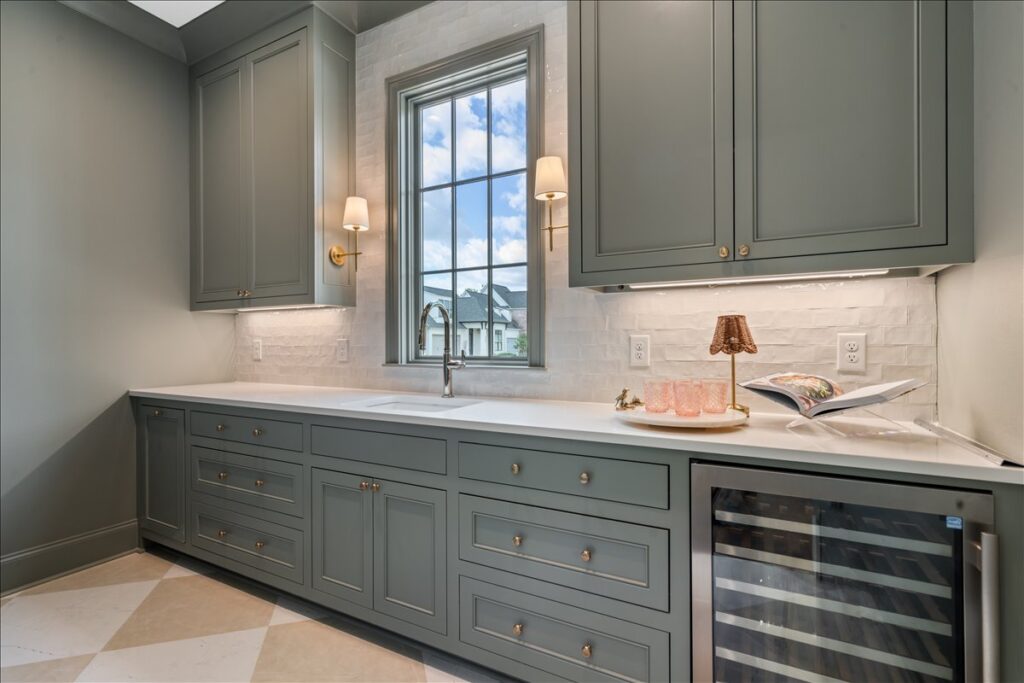
1. The Prep Kitchen (sometimes called a scullery or butler’s pantry)
Picture your kitchen the night you’re hosting twelve people for dinner.
The island is set. The candles are lit. Guests have drifted in, the gamble charcuterie cheese is a hit, and someone’s already opened the wine. It’s turning into a great evening. But behind every guest is a dish. A dirty dish. Oh, and the pot needs to be washed. The cutting board needs to be cleared. And that one friend, you know who, has already finished that first bottle and is looking to open a second.
This beautiful chaos is what a prep kitchen solves. It’s a secondary work zone tucked behind the main kitchen, close enough to be useful and out of sight from the dining room and living area. The prep work, the overflow, the cleanup: all of it happens back there. The main kitchen stays the way you set it.
Both of our2026 Parade of Homes stops featured a back kitchen for exactly this reason. The American Institute of Architects reported a 52% increase in demand for prep kitchens in their Q1 2026 Trends Report. And as our homeowners say, once you’ve cooked a meal in a home that has one, it’s hard to go back.
2. Outdoor Living as a Third Space
South Louisiana gives us roughly ten months of weather worth being outside in. Those extra two months are reserved for when it’s just way too hot and when the annual unannounced way-too-cold front visits. The question is whether your home is built to take advantage of those beautiful months.
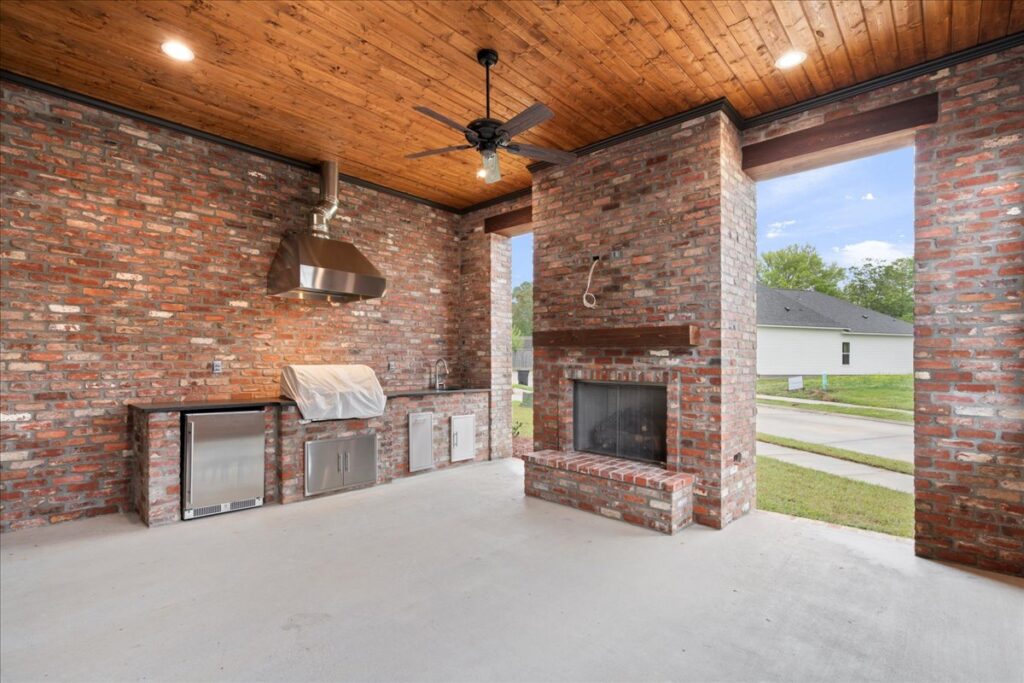
A covered porch with a fireplace and an outdoor kitchen isn’t just a nice-to-have. In our climate, it’s closer to a necessity. It’s a room that extends the square footage of your home for most of the year. You can host out there. You can wind down out there. It’s where you look forward to being after a long day at the office.
At our Inniswylde Parade home, the side porch has a fireplace, a shutter wall, and a fully equipped outdoor kitchen. It doesn’t feel like an add-on. It feels like the rest of the house, just outside.
This is the shift we’re seeing with buyers: outdoor spaces are getting designed, budgeted, and thought through the same way a kitchen or primary bath gets thought through. Retractable screens, outdoor televisions, and full kitchen setups, all as intentionally planned as the interior. Your home should work for how you actually live.
In communities like Providence, the decision to raise homes and front them toward greenspace with porches and stoops changed how neighbors interact. A porch that faces the street is an invitation. Design shapes behavior in ways that are easy to underestimate until you’ve experienced it. Read more about how we think through outdoor living spaces at Bardwell.
The numbers back it up. According to recent real estate data, thoughtfully planned outdoor living areas can increase a home’s value by 10% to 15%, and patios alone have been shown to deliver an ROI of over 80%.
3. Layered Lighting
Ever walk into a room and feel right at home? Or maybe the opposite: you walked into a room and felt uneasy and couldn’t say why. It was probably the lighting.
You feel it before you identify it. Something about the space feels considered. Finished. Easy to be in. A single overhead fixture produces the opposite effect, and most of us have lived in a room like that long enough to know the difference.
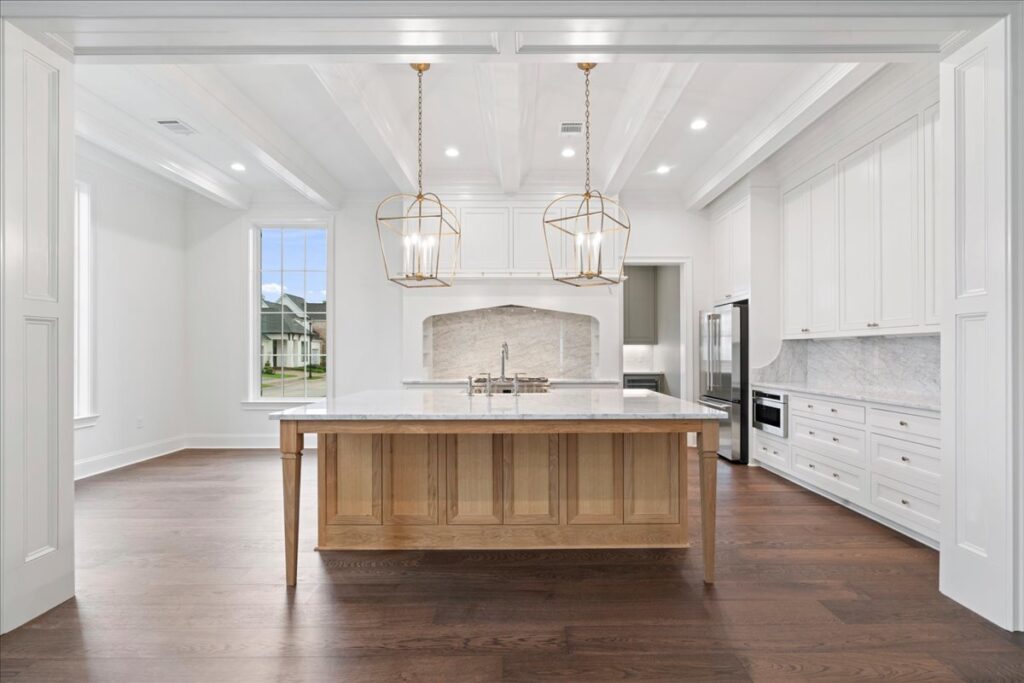
The shift away from one central light source has been happening for years, and it’s not going back. What replaced it is a system: recessed lights for ambient fill, pendants to define a space and draw the eye, under-cabinet lighting that makes a countertop functional after dark, and accent lighting that pulls attention toward the details worth noticing.
Each layer serves a different purpose. Together, they give you control over how a room feels at 7 a.m. versus 7 p.m., at a dinner party versus a quiet morning. They also have a practical side: well-lit hallways, staircases, and entry points are safer spaces to move through, and that matters more the longer you live somewhere.
Lighting is one of those details that’s easy to overlook on a floor plan and impossible to ignore once you’re living with it. We pay attention to it from the beginning of every build, because it shapes how every other decision in the room is made.
4. Primary Suites Designed for Separate Schedules
Think about the ER doctor who’s out the door at 4 a.m. and the spouse who’s a schoolteacher getting up at 6, getting the kids ready. Two people, same bedroom, completely different schedules.
The traditional shared vanity, one walk-in closet, open bathroom layout worked fine when the assumption was that households ran on one schedule. And the morning friction that comes from two people trying to get ready in the same space, lights on, hairdryers blowing, someone trying to sleep, is the kind of thing that doesn’t show up in a listing but shows up in real life every single day.
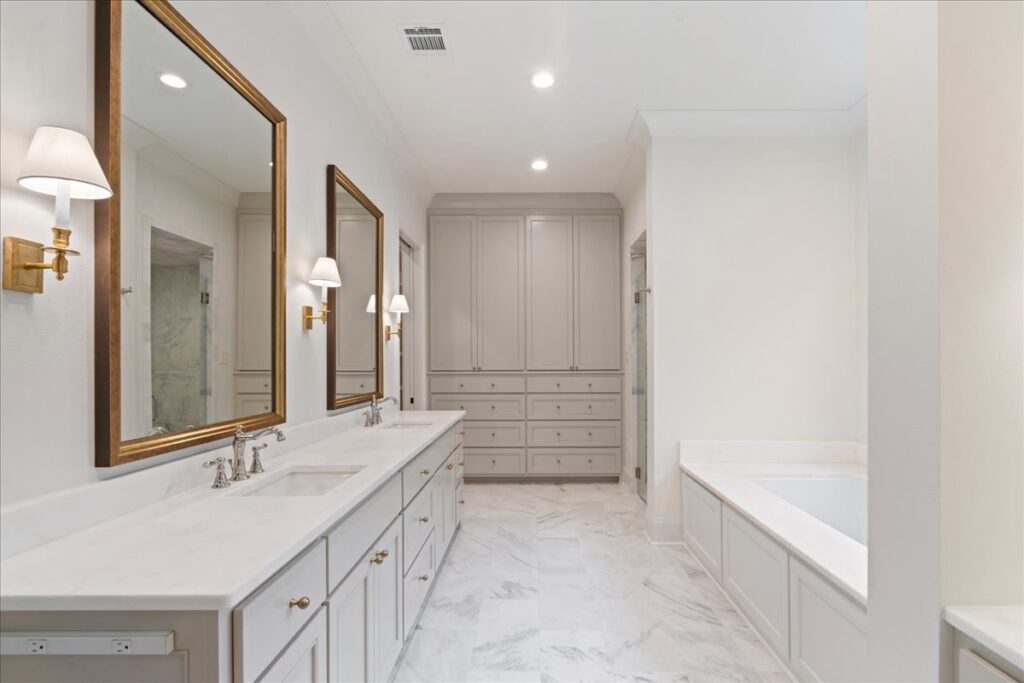
The answer is in how the suite is laid out. Separate vanities. A water closet with a door. Enough space planned around each person’s morning so the room doesn’t create a bottleneck. Share the bed. Not the bathroom. Marriage therapist approved.
We’re thinking through this in more of our floor plans because buyers who’ve lived with a thoughtfully designed suite don’t want to go back to one that wasn’t. The Frankfurt model at Harveston, for example, puts the primary suite on the main floor with double vanities, a soaking tub, and a separate shower. A layout designed around how two people actually start and end a day.
5. Laundry Where You Actually Get Dressed (And Undressed)
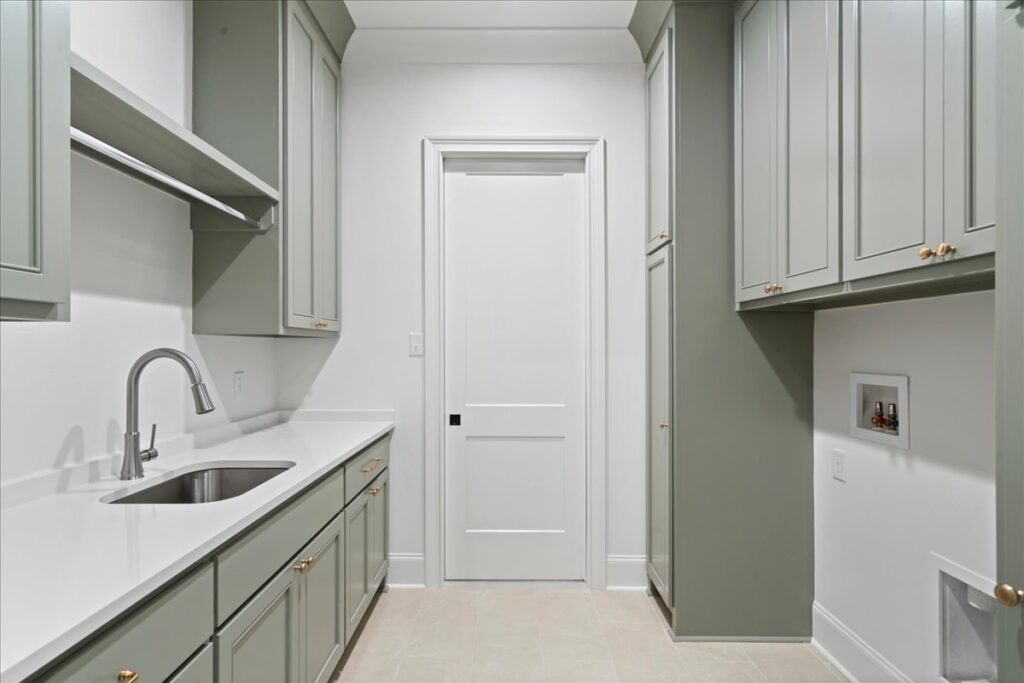
When the laundry space is in the primary suite or directly adjacent to it, the entire process of doing laundry changes.
Clothes come off. The machine is right there. There’s no hamper making its way down the hall. There’s no separate errand involved. There’s no frustrated spouse because, yet again, someone left their dirty clothes on the floor.
Paired with a walk-in closet and dual-vanity layout, the primary suite starts to function as a private wing of the house. Everything you need to start and end the day lives in one place. It’s a quiet kind of luxury, the kind that doesn’t announce itself but makes a Monday morning noticeably better than it used to be.
What These Five Have in Common
None of these features are in our homes because they were in a magazine last year. They’re in our homes because they make a home work better for the people living in it on ordinary days, not just open house weekends.
That’s the standard we hold ourselves to. Good design doesn’t have to cost a lot of money, but it does require paying attention to what actually matters in daily life. Proportion, function, the details that compound over time. That’s what we’re thinking about from the first day of a build to the final walkthrough.
If you’re exploring a new home in Baton Rouge or Covington and want to see how these features come together, Heather Kirkpatrick with Keller Williams can help you find the right community and floor plan. Start with our available homes or explore our pre-sold process.
What home features add the most value in 2026?
Prep kitchens, primary suites with separate vanities and dual closets, laundry near the primary bedroom, layered lighting systems, and covered outdoor living spaces with fireplaces consistently rank as the features buyers pay a premium for and rarely give up once they’ve had them.
What is a prep kitchen?
A prep kitchen is a secondary work zone behind or adjacent to the main kitchen. It handles food prep, overflow cooking, and cleanup out of sight from guests, keeping the main kitchen presentable during entertaining.
Is a covered outdoor living space worth it in Louisiana?
Yes. South Louisiana’s climate makes a covered porch or outdoor living space functional for most of the year. With a fireplace and outdoor kitchen, it functions as a third living space rather than just a seasonal overflow area.
The Business Behind a Bardwell Build
The fall season offers a welcome reset after the slower rhythm of summer. Routines refresh as students return to school, and Q4 deadlines demand more time and energy at work. Between football season, daily life, and the coming holidays, calendars fill fast. For some, this shift reveals a fresh need: another bedroom, a home office, […]
Why Don’t Home Buyers Ask About Storage?
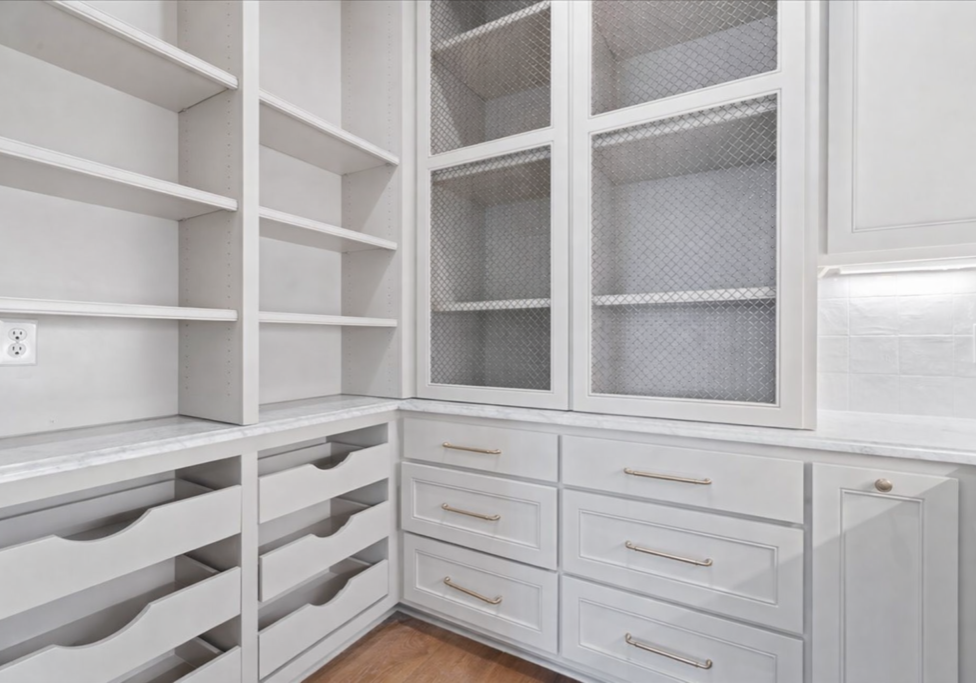
Buyers always remember to ask about visible and impressive elements like granite countertops, premium finishes, and square footage. Savvy shoppers still prioritize storage capacity, but it’s easily overshadowed by other home features. No one asks for a photograph of the extra broom closet, but everyone enjoys living with one. Storage is dismissed as a utility, […]